
Why Monitoring Your Glucose Matters If You're Not Diabetic
Understanding your metabolism with continuous glucose monitoring.
A New Window Into Your Metabolism
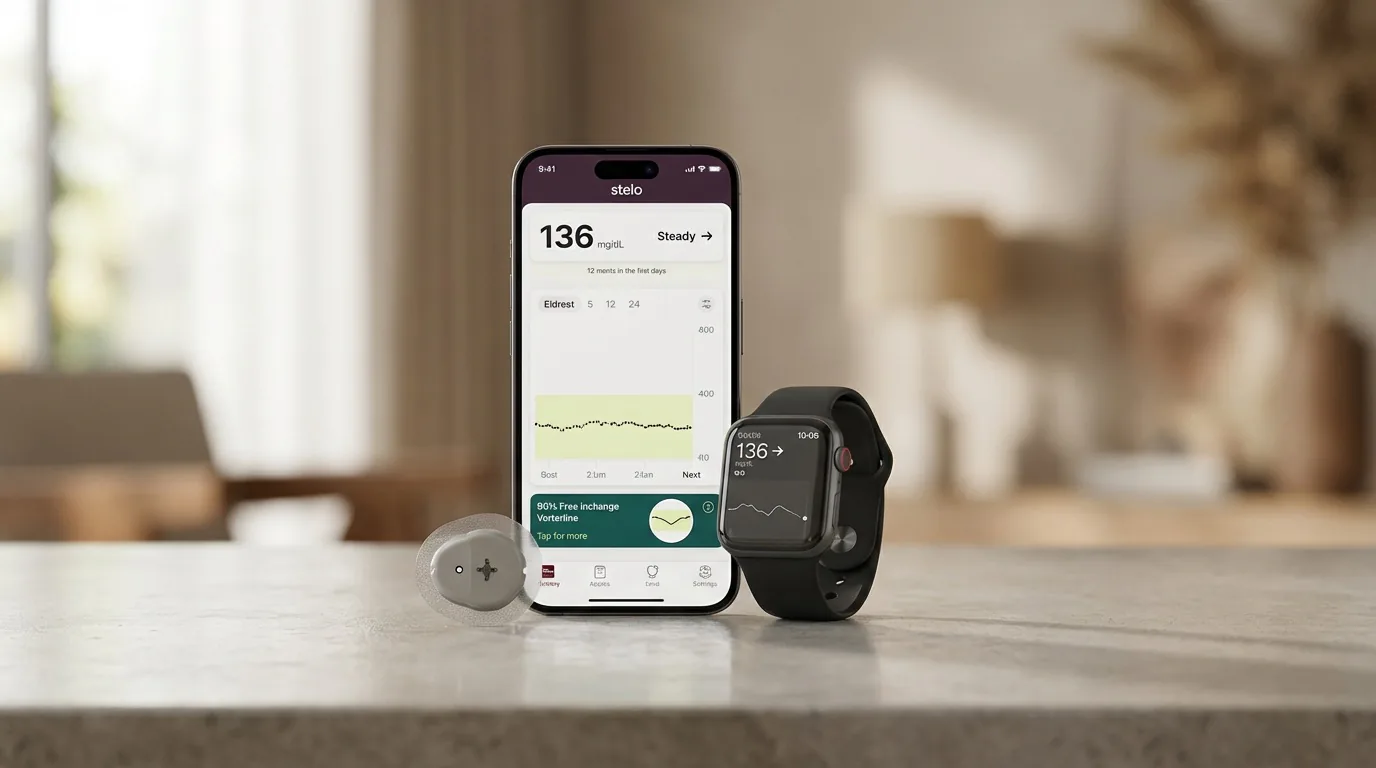
For years, blood glucose monitoring was something only diabetics paid attention to. But today, technology like the Dexcom Stelo Continuous Glucose Monitor is opening a new frontier in metabolic health.
As a coach who has helped people lose weight, build muscle, and restore their health for over 15 years, I've seen one thing consistently:
People often have no idea how the foods they eat are affecting their metabolism.
You may eat what you believe is a healthy meal, but your body may respond with a massive spike in blood sugar. That spike triggers hormonal responses that influence fat storage, energy levels, brain function, and even testosterone production.
Continuous glucose monitoring gives us real-time insight into how our bodies respond to food, stress, sleep, and exercise.
And that insight can completely change the game.
The Healthy Glucose Range for Non-Diabetics
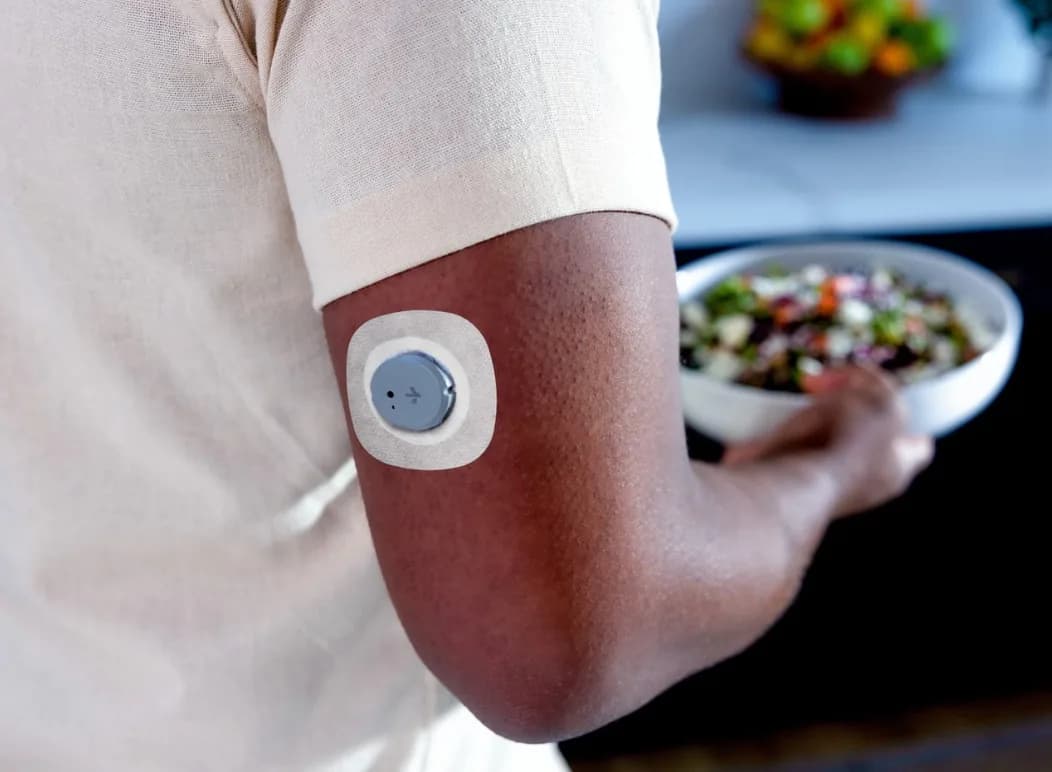
For metabolically healthy individuals, blood glucose typically stays within a fairly tight range.
| Glucose level | What it means |
|---|---|
| 70 mg/dL | Lower end of healthy range |
| 70-100 mg/dL | Ideal fasting glucose |
| 100-140 mg/dL | Normal after meals |
| Above 140 mg/dL | Elevated post-meal spike |
Research suggests that post-meal glucose exceeding 140 mg/dL may indicate impaired glucose regulation, even in individuals without diabetes. The American Diabetes Association and the International Diabetes Federation both publish post-meal glycemic guidance that helps frame what stable control should look like.
Continuous glucose monitoring allows you to see these spikes as they happen, rather than relying on a once-per-year blood test.
What Happens When Blood Sugar Spikes Above 140?
When glucose rises too high after meals, the body releases insulin to remove sugar from the bloodstream.
Insulin is necessary for survival, but it also has a major effect on fat storage.
1. Fat Burning Shuts Off
When insulin rises, the body prioritizes burning glucose for fuel.
This means:
- Fat burning temporarily shuts down
- Your body will use glucose before it ever taps into stored body fat
Research shows that elevated insulin levels suppress lipolysis, the process of releasing fat from fat cells for energy.
This is one of the biggest reasons why constant carbohydrate spikes can stall fat loss.
2. Hormonal Function Declines
Frequent glucose spikes are also associated with hormonal disruption.
Studies show that:
- Insulin resistance is associated with reduced testosterone levels in men
- High blood sugar increases inflammation and oxidative stress
- Elevated glucose can impair endocrine signaling
Research on testosterone and insulin resistance in men shows how metabolic dysfunction and lower androgen status tend to travel together.
When blood sugar is constantly elevated, the hormonal environment needed for muscle growth, fat loss, libido, and mental clarity begins to suffer.

What Happens When Glucose Drops Below 70?
On the other end of the spectrum, glucose dropping too low can cause:
- Brain fog
- Irritability
- Shakiness
- Stress hormone release
When blood sugar drops below 70 mg/dL, the body releases cortisol and adrenaline to raise glucose levels.
These stress hormones can impair recovery, sleep quality, and metabolic health when they occur frequently.
The goal isn't extremely low glucose.
The goal is stability.
The Power of Protein for Stable Blood Sugar
One of the simplest ways to stabilize glucose levels is prioritizing protein.
Protein has a minimal effect on blood sugar compared to carbohydrates and can help reduce post-meal glucose spikes.
Research on higher-protein meal structure found it can improve post-meal glucose handling.
Protein also:
- Increases satiety
- Supports muscle development
- Stabilizes energy levels
- Reduces overeating
For many of my clients, simply shifting meals toward higher protein and whole foods dramatically improves glucose stability. A meta-analysis on walking and glycemic control is also why post-meal walks show up so often in my recommendations.
The Problem with the Typical American Diet
The average American diet is built around foods that spike blood sugar rapidly.
Common examples include:
- Refined bread
- Sugary coffee drinks
- Breakfast cereals
- Processed snack foods
- White pasta and rice
- Packaged "low-fat" foods high in sugar
These foods digest rapidly and flood the bloodstream with glucose.
The result?
A roller coaster of glucose spikes and crashes throughout the day.
Over time, this pattern contributes to:
- Insulin resistance
- Fat gain
- Fatigue
- Metabolic dysfunction
According to research in The Lancet Diabetes & Endocrinology, repeated glucose spikes are associated with increased cardiometabolic risk even in individuals without diabetes.
Why Continuous Glucose Monitoring is a Game-Changer
Technology like the Dexcom Stelo CGM provides continuous feedback about your metabolic health.
Instead of guessing how foods affect you, you can see the data in real time.
For example, many people are shocked to discover that foods marketed as healthy, such as granola, oatmeal, or smoothies, can spike glucose higher than expected.
With a CGM, you can learn:
- Which foods spike your glucose
- How exercise lowers blood sugar
- How sleep affects metabolism
- How stress raises glucose levels
It becomes a personalized metabolic laboratory.
Why I Believe This Technology Is Underutilized
Our parents and grandparents never had access to this level of biological insight.
Today we have wearable technology that allows us to track:
- Sleep
- Heart rate variability
- Activity levels
- Body composition
- And now real-time metabolic health
Yet most people are still trying to lose weight using outdated methods.
- They guess
- They follow fad diets
- They blame willpower
But the real solution is data plus discipline.
Continuous glucose monitoring is one of the most powerful tools available today for understanding how your body actually works.
Fighting the Metabolic Health Crisis
America is facing an unprecedented metabolic health crisis.
According to research published in Metabolic Syndrome and Related Disorders, only 12% of Americans are considered metabolically healthy.
That means the vast majority of people are struggling with:
- Insulin resistance
- Excess body fat
- Inflammation
- Hormonal imbalance
The good news is that we now have tools that can help reverse this trend.
Technology like CGMs, combined with proper coaching, nutrition, and training, allows individuals to take control of their metabolic health in a way never before possible.
The Bottom Line
Understanding your glucose levels isn't just for diabetics.
It's for anyone who wants to:
- Lose fat
- Improve energy levels
- Optimize hormones
- Improve mental clarity
- Extend longevity
When you understand how your body responds to food, you stop guessing.
You start making decisions based on real biological feedback.
And that's where real transformation begins.
If you want to connect glucose control to hormones, read our testosterone optimization article. If you want the broader recovery and wearable stack, go next to Optimizing the Human Operating System. For a guided implementation plan, review the executive coaching program.