
Testosterone Optimization: Why It Matters for Health and Leadership
Explore the science behind testosterone optimization and how balanced hormones fuel energy, mental clarity, and executive presence for high-performing professionals.

Optimize the Leader Within
In today's relentless executive culture, performance is currency. Tracking steps and sleep is becoming a healthful trend, yet many high-performing professionals overlook one of the most powerful drivers of energy, confidence, and leadership presence: Testosterone.
Testosterone is not just about muscle or libido. It is a foundational hormone that regulates energy production, cognitive sharpness, metabolic efficiency, emotional resilience, and physical vitality in both men and women.
When testosterone declines, performance quietly declines with it.
The Executive Hormone Crisis
Modern executive life often includes:
- Chronic stress and elevated cortisol
- 5-6 hours of sleep
- Airport food and high-sugar snacks
- Plastic water bottles and packaged meals
- Sedentary meetings followed by intense but inconsistent workouts
Each of these behaviors directly suppresses testosterone production.

Plastics & Endocrine Disruptors
Chemicals such as BPA and phthalates (found in some plastics and packaging) act as endocrine disruptors. Research on endocrine-disrupting chemicals shows these compounds can interfere with male reproductive hormones and testosterone signaling.
Upgrade: Use stainless steel or glass bottles. Minimize packaged food exposure.
Sugar, Insulin & Hormonal Suppression
A study in Clinical Endocrinology demonstrated that high glucose intake can reduce testosterone levels by up to 25% within hours of consumption. Chronically elevated insulin reduces the body's ability to maintain optimal testosterone production.
Airport pastries and energy drinks might solve short-term fatigue, but they compromise long-term hormone resilience.
Upgrade: Protein-forward meals with healthy fats and fiber to stabilize insulin and protect hormone function.
Stress & Cortisol: The Hormone Trade-Off
Cortisol and testosterone have an inverse relationship. When cortisol remains elevated from chronic stress, testosterone production declines.
Executives often operate in a perpetual "fight-or-flight" state.
Upgrade: Daily parasympathetic activation through breathwork, strength training, sunlight exposure, and proper sleep.
The Science of Optimization
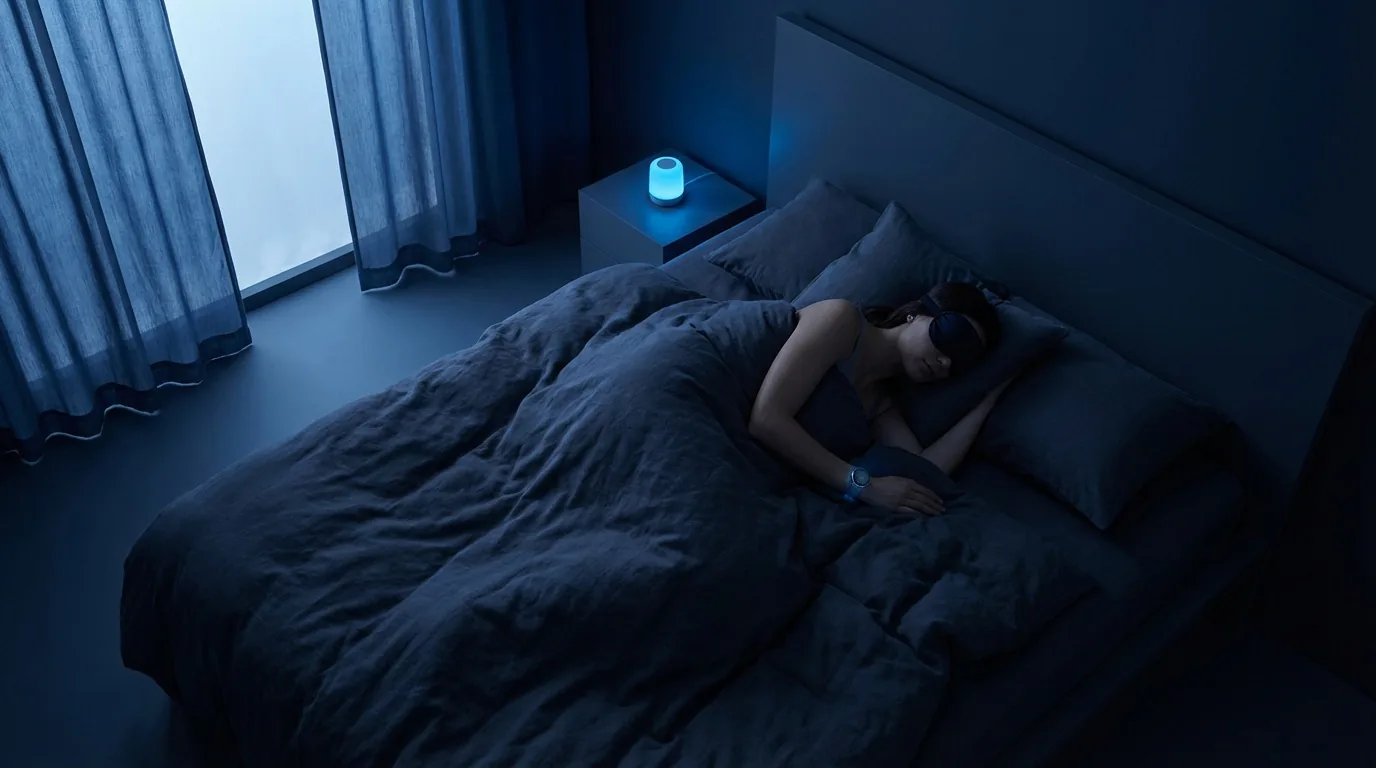
Sleep: The Hormonal Reset Button
A landmark sleep-restriction study in healthy young men found that limiting sleep to roughly 5 hours per night lowered daytime testosterone levels. Testosterone production occurs primarily during deeper overnight sleep cycles.
Target: 7-9 hours of high-quality sleep nightly. Sleep optimization alone may be one of the most powerful natural testosterone strategies available.
Resistance Training & High-Intensity Exercise
Resistance training stimulates acute testosterone release and long-term anabolic adaptation. Compound lifts (squats, deadlifts, presses) are particularly effective.
Research in the Journal of Strength and Conditioning Research shows that heavy compound resistance training elevates testosterone and growth hormone levels post-exercise.
Prescription:
- 3-4 strength sessions per week
- Large muscle group focus
- Progressive overload
- Short rest intervals
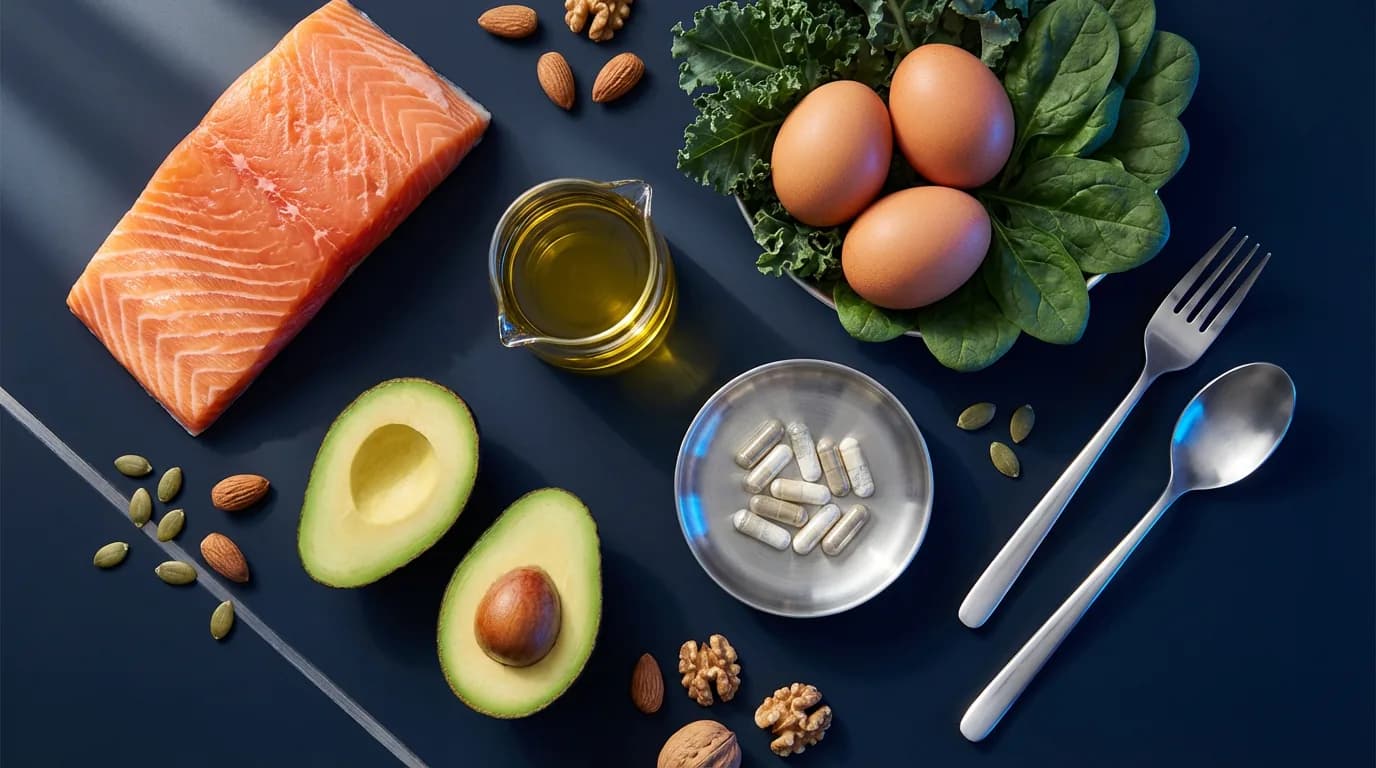
Nutrition That Builds Hormones
Testosterone is a steroid hormone derived from cholesterol. Extremely low-fat diets may impair production.
Nutrients essential for testosterone synthesis:
- Vitamin D (associated with higher testosterone levels in deficient men)
- Zinc (required for androgen production)
- Magnesium (supports free testosterone levels)
- Healthy fats (omega-3s, monounsaturated fats)
A randomized vitamin D supplementation trial found testosterone increased in men who started out vitamin-D deficient.
Executive Strategy: Organic proteins, cruciferous vegetables, quality fats, and micronutrient-dense foods over ultra-processed convenience options.
Herbal & Targeted Supplementation
Evidence-backed botanicals include:
- Ashwagandha: shown in clinical trials to increase testosterone and reduce cortisol
- Tongkat Ali: associated with improvements in stress and androgen levels
- Adaptogens: support hormonal resilience under chronic stress
Published clinical research on ashwagandha supports its potential effects on stress markers and testosterone.
Testosterone Optimization Therapy
For individuals with clinically low testosterone confirmed via bloodwork, medically supervised testosterone therapy can:
- Improve lean body mass
- Reduce fat mass
- Enhance libido
- Improve mood
- Increase energy
A randomized testosterone trial demonstrates improvements in lean mass and body composition when testosterone levels are therapeutically normalized.
This is not enhancement. It is restoration.
The After Effects: What Happens When Hormones Are Optimized?
When testosterone (or estrogen/progesterone balance in women) is optimized, transformation extends beyond physique.

Energy & Drive
Increased mitochondrial efficiency and improved sleep translate to sustained daily output.
Confidence & Leadership Presence
Testosterone influences dopaminergic pathways tied to motivation and reward processing. Balanced hormones support assertiveness and emotional regulation.
Mental Health & Mood
Multiple clinical reviews show that normalizing testosterone levels improves depressive symptoms and overall wellbeing in deficient individuals.
Sex Drive & Relationship Health
Libido restoration often correlates with improved relational satisfaction and self-confidence.
Metabolic Health
Improved insulin sensitivity, fat oxidation, and lean mass retention reduce cardiometabolic risk factors.
Hormone optimization becomes a performance multiplier.
Leadership Starts Inside the Body
Executives invest in strategy, systems, and scaling. But the most important operating system is biological.
Testosterone optimization through sleep, resistance training, micronutrient-dense nutrition, stress regulation, supplementation, and clinically supervised therapy when appropriate restores vitality from the inside out.
When hormones are aligned:
- Energy increases
- Confidence rises
- Decision-making sharpens
- Body composition improves
- Relationships strengthen
Leadership presence begins at the cellular level.
"Optimize the internal environment, and performance follows."
To connect hormones with day-to-day nutrition, read Why Monitoring Your Glucose Matters If You're Not Diabetic. For the broader feedback loop behind recovery and fat loss, start with our wearables and biometrics guide. If you want a coached version of that system, review the executive coaching program.
